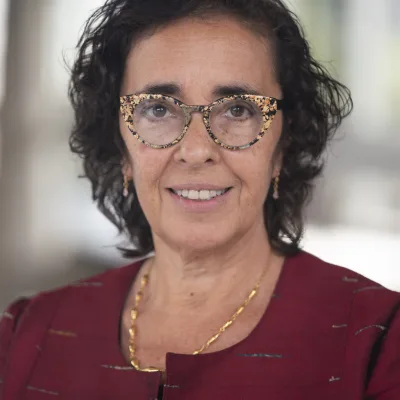
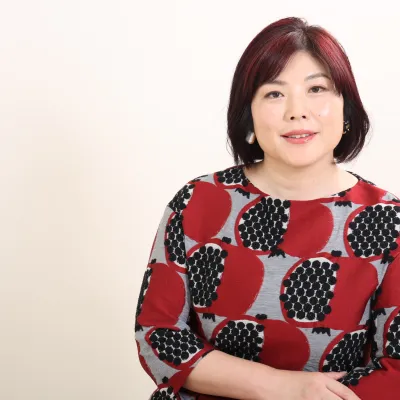
Head of Cognitive Neurology, Neuropsychiatry and Neuropsychology & Director of Memory and Ageing Centre, Fleni Neurological Research Institute, Argentina
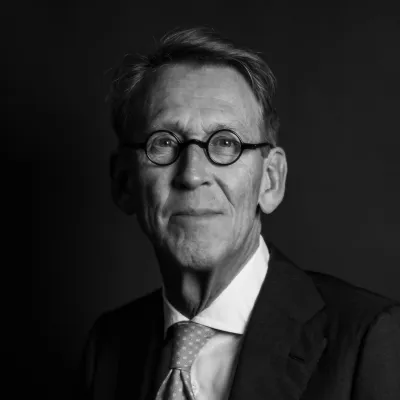
Ricardo Allegri trained in neurology and psychiatry, obtained his PhD in Sciences from the University of Buenos Aires. He undertook a postdoctoral fellowship in cognitive neurology in Saint Etienne, France, and a research stage in behavioral neurology at UCLA, USA.
He began his career as a CONICET (National Committee of Scientifically and Technological Research) scientist in 1995 and chaired the Buenos Aires Government’s Health Research Council from 2008 to 2014 and from 2020 to 2023.
He is Head of the Department of Cognitive Neurology, Neuropsychiatry and Neuropsychology as well as Director of the Memory and Ageing Centre at Fleni Neurological Research Institute in Buenos Aires. He is also a Professor of Clinical Neurology at the University of Buenos Aires’ School of Medicine.
He is the Principal Investigator for several clinical trials in dementia, including DIAN (Dominantly Inherited Alzheimer’s Network), LatAmFINGERS (Latin American Geriatric Intervention Study to Prevent Cognitive Impairment) and iLEADS (International Longitudinal Early-Onset Alzheimer's Disease Study).
He has published extensively on cognitive neurology and dementia in peer-reviewed journals and books and has co-edited nine books. He has received over 52 awards in the fields of cognitive neurology and neuropsychiatry, including the National Academy of Medicine Award in 2006 and the Research Recognition Award from the School of Medicine at the University of Buenos Aires in 2014. He was a Corresponding Fellow of the American Academy of Neurology, a member of the ISTAART Advisory Council and an active member and trustee of the World Dementia Council.
He currently chairs the Scientific Council at the Association Against Alzheimer's Disease and Related Disorders in Argentina (ALMA) and is a member of the Medical Advisory Board at Alzheimer’s Disease International.
CEO, Alzheimer's Disease International, UK
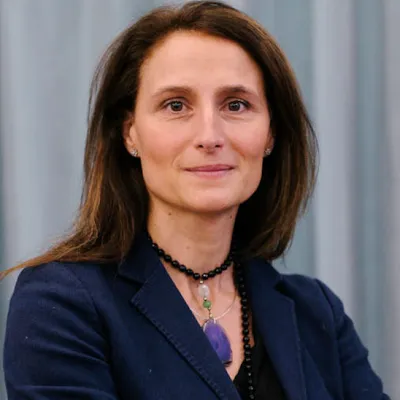
Paola is CEO of Alzheimer’s Disease International. Prior to this, she was CEO of LIFE and occupied senior positions with Cass Business School, Tate, British Library and IIED. She is a Board Member of the World Dementia Council, a Trustee of The Postal Museum and of Lauderdale House and a Fellow of the Royal Society of Arts. Previously she was a Non-Executive Director of the Non-Communicable Disease Alliance (NCDA), a Trustee of Shelter, the housing/homelessness charity, and of MLA London. She holds a degree cum laude in Classics from Federico II Napoli University, an MA in Field and Analytical Techniques in Archaeology and an MA in Library and Information Science both from University College London.
Dr. Andrew Budson, Chief of Cognitive Behavioral Neurology, VA Boston Healthcare System, USA
Educated at Haverford College and Harvard Medical School, Dr. Andrew Budson is Chief of Cognitive Behavioral Neurology at the VA Boston Healthcare System, Associate Director of the Boston University Alzheimer’s Disease Research Center, Professor of Neurology at Boston University, and Lecturer in Neurology at Harvard Medical School. In 2008 he was awarded the Geschwind Prize in Behavioral Neurology, and in 2009 the Research Award in Geriatric Neurology, both from the American Academy of Neurology. He has given over 900 talks and published more than150 papers. He has also written 9 books, including Memory Loss, Alzheimer’s Disease and Dementia: A Practical Guide for Clinicians; Six Steps to Managing Alzheimer’s Disease and Dementia: A Guide for Families; Seven Steps to Managing Your Aging Memory; and his latest book for everyone, Why We Forget and How to Remember Better: The Science Behind Memory. His books have been or are being translated into Japanese, Chinese, Korean, Spanish, Portuguese, Greek, Arabic, and Lithuanian. His research focuses on using strategies to improve memory in patients with Alzheimer’s disease and understanding the relationship between memory, consciousness, and dementia.
Chairman, Advisory Committee on Mental Health, Health Bureau, the Govt of the Hong Kong SAR
Dr CC Lam is a specialist in paediatric and community medicine and is currently Chief Executive Officer of Haven of Hope Christian Service.
With his extensive knowledge of local public health policies and services, Dr Lam has sat on multiple statutory and advisory bodies. He is a non-official member of the Executive Council of the HKSAR Government. Prior to his current position as the Chairman of the Advisory Committee on Mental Health, he served the Elderly Commission for almost 20 years, and he was once the Chairman of the Commission. He now also serves as the Chaiman of the Council for Carbon Neutrality & Sustainable Development, the Healthcare & Wellness Training Board of the Vocational Training Council, the Industry Training Advisory Committee of Elderly Care Service and the Independent Commission Against Corruption Complaints Committee.
He is also a member of the Green Technology & Finance Development Committee, the Primary Healthcare Committee, as well as the HK Housing Society to provide advice to the government on various policies.
Dr Lam was honoured by the HKSAR Government with the Justice of Peace in 2003 and Gold Bauhinia Star in 2025. In 2018, apart from receiving Honorary Fellowship from Lingnan University, he also received the Ageing Asia Global Ageing Influencer Award (Special Recognitions) in recognition of his devotion to public services and his influence on policy-making for the global ageing trend.
Professor of Clinical Psychology of Ageing and Dementia, University of Exeter Medical School, UK
Linda Clare PhD ScD is Professor of Clinical Psychology of Ageing and Dementia at the University of Exeter Medical School. She is Director of the National Institute for Health and Care Research (NIHR) Policy Research Unit in Dementia and Neurodegeneration (DeNPRU Exeter), and dementia theme lead for the NIHR Applied Research Collaboration South-West Peninsula (PenARC). Her research aims to improve the lives of people who are living with dementia and progressive neurological conditions through a focus on promoting well-being, developing rehabilitative approaches to optimise functional ability and independence, and supporting family care. She is particularly known for pioneering the application of cognitive rehabilitation approaches for people with early-stage Alzheimer’s disease, and for leading the IDEAL cohort study of people with dementia and carers which focused on what makes it possible to experience a good quality of life with the condition. Linda has published over 350 scientific journal articles as well as translating research findings into practical resources for people living with dementia, family members, professionals and policymakers. Trained as a clinical psychologist and neuropsychologist, she is an NIHR Senior Investigator and a Fellow of the British Psychological Society, Academy of Social Sciences and Gerontological Society of America.
Director, Noncommunicable Diseases and Mental Health, World Health Organisation, Switzerland
Dévora Kestel is a senior mental health policy specialist with more than twenty five years of international experience in Europe, the Caribbean and Latin America, implementing and advising governments on national policies related to mental health systems. She is a strong advocate for the rights of people with mental health issues.
Ms Kestel obtained her MSc in Psychology from the Universidad Nacional de La Plata, in Argentina and her MSc in Public Health at the London School of Hygiene and Tropical Medicine, UK. After completing her university studies in Argentina she worked for 10 years in the development and supervision of community-based mental health services in Trieste, Italy. In 2000 she joined the World Health Organization (WHO) as a mental health officer first in Kosovo and then in Albania where she became the WHO Representative to Albania. In both countries, she worked closely with the Ministries of Health to help establish comprehensive community-based mental health systems.
In 2007 Ms Kestel joined the Pan American Health Organization (PAHO/WHO) as the Sub-regional Mental Health Advisor for the English Speaking Caribbean Countries, based in Barbados. In 2011 Ms. Kestel was appointed to the position of the Regional Mental Health Advisor, at the headquarters in Washington DC, providing technical cooperation in the mental health field to the entire region. In 2015 she became the Unit Chief for Mental Health and Substance Use at PAHO/WHO. Over the years, Ms. Kestel has contributed to and co-authored to publications in the area of mental health.
Chief Executive, Alzheimer's New Zealand
Catherine has led Alzheimers New Zealand for more than a decade, as a leading national voice in policy and advocacy. She’s positioned the organisation as a thought leader and change agent in the dementia space. She started her career as a registered nurse and has since held senior roles in the public sector and in the non-government sector.
Catherine played a lead role in the development of the original Dementia Mate Wareware Action Plan, pulling together the various threads of the sector. She continued to co-lead the refreshed plan for 2026-2031 which is a roadmap for government action. The plan was presented to the Associate Minister of Health at Alzheimers New Zealand’s Summit 2025 alongside friends and partners.
Catherine drives the implementation of the organisation’s vision for a future where people living with dementia mate wareware are heard, valued and supported. She’s passionate about providing a platform for the lived experience voice and making meaningful change for people living with dementia and their families in New Zealand – from effective policy through to the community.
Professor of Clinical Geriatrics at Karolinska Institutet (KI), Center for Alzheimer Research, Sweden
Miia Kivipelto, MD, PhD, is Professor of Clinical Geriatrics at Karolinska Institutet (KI), Center for Alzheimer Research, and senior geriatrician and Director for Research & Development of Theme Aging at Karolinska University Hospital, Stockholm, Sweden.
Part of her Nordic-UK Brain Network (NBN) multidisciplinary research team (around 100 researchers and clinical staff) is located at University of Eastern Finland and Imperial College London (ICL), UK, where she has part time position as Professor. Her frontline research findings have been published in leading journals 400+ publications, H-index 86) and she has received numerous prestigious national and international awards.
Dr. Kivipelto’s translational research focuses on the prevention, early diagnosis and treatment of cognitive impairment, dementia and Alzheimer’s disease (AD). Through epidemiological studies, Prof. Kivipelto has identified various lifestyle and vascular risk factors for dementia and interactions with genetic factors and clarified underlying mechanisms. She has developed the first tool for predicting dementia risk based on midlife risk profiles.
This is still one of the few validated risk scores in the field and is in clinical use (including clinical trials). These findings paved the way to the current prevention trials. Professor Kivipelto is the PI of the landmark FINGER Randomized Controlled Trial (RCT) (Finnish Geriatric Intervention Study to Prevent Cognitive Impairment and Disability), which is the first large-scale trial showing that a multi-domain lifestyle-based intervention can reduce the risk of cognitive and functional impairment among at risk persons from general population.
FINGER has caused a paradigm shift, i.e. cognitive decline is no longer an inevitable consequence of aging, but can be prevented with multidomain interventions. This pragmatic model is now tested and adapted worldwide, and Professor Kivipelto has launched the World Wide FINGERS network, a unique interdisciplinary network to share experiences, harmonise data, and plan joint international initiatives for the prevention of cognitive impairment/dementia (45 countries currently involved). She is also founder of the FINGERS Brain Health Institute (www.fbhi.se) aiming to find novel solutions to promote brain health and prevent cognitive impairment and dementia.
Professor Kivipelto has also contributed to understanding of biological mechanisms underlying dementia/AD and she is actively involved in phase I-III clinical trials and is leading several international consortia. She is often invited to the leading global dementia conferences and task forces, including the G8 Dementia Summit, WHO ministerial meeting in Global actions against dementia and dementia risk reduction guidelines, Neurology and Covid-19 Global Frorum, among others.
She has received numerous of prestigious awards, including Forska!Sverige Research Award (2022), Melvin R. Goodes Prize, USA (2021) for excellence in drug discovery (for FINGER concept), the Ryman Prize, New Zealand (2020), Arthur C. Cherkin Award, USA (2019), Swedish Doctoral Union Alzheimer prize (2018), Neuroscientist of the Year (Finland, 2018), MetLife Foundation Major Award for Medical Research (2016), Swedish Alzheimer Research Foundation Major Award (2016), Waijlit and Eric Forsgren’s award for dementia researcher (2015), Best PI at KI award (2014) and AXA Research Award (2014), Karolinska Institutet Skandia’s Lennart Levi prize (2013), Junior Chamber International Award for Ten Outstanding Young Persons of the World (2011), Academy of Finland Award for Social Impact (2009).
Professor of psychiatry of older people and consultant psychiatrist, University College London, UK
Gill Livingston is professor of psychiatry of older people in University College London, Division of Psychiatry, head of mental health care of older people’s research & consultant psychiatrist, Camden & Islington NHS FT in the UK.
She led the Lancet International Commission on Dementia Prevention, Intervention and Care, launched in 2017. It contained the first life course analysis of potentially modifiable risks in dementia. She works to the commission’s strapline “Acting now on dementia prevention, intervention, and care will vastly improve living and dying for individuals with dementia and their families, and in doing so, will transform the future for society.” She also leads the new update to the Lancet standing commission. She will discuss new material from it.
Her other research includes the START project which successfully reduced depression in carers in a randomised controlled trial, demonstrating clinical and cost effectiveness and long term effectiveness. She has also researched interventions in care homes; non-pharmacological interventions for sleep in dementia and dementia and interventions in minority ethnic groups.
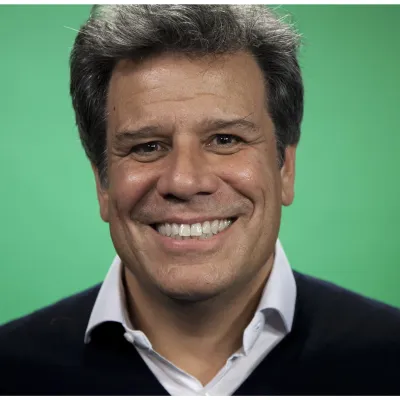
Professor of Neurology and Cognitive Neuroscience, Favaloro University, Argentina
Dr. Facundo Manes is a neurologist and neuroscientist with a multidisciplinary career spanning clinical practice, scientific research, institutional leadership, and public policy, with a sustained focus on dementia and brain health across the lifespan. He holds a PhD in Sciences from the University of Cambridge and completed his medical training in Argentina. After developing a clinical and academic career in the United States and the United Kingdom, he returned to Argentina, where he founded the Institute of Cognitive Neurology (INECO) and the INECO Foundation—a non-profit organization dedicated to supporting research programs, training health professionals, and promoting public awareness in brain health—and led the creation of the Institute of Neurosciences at Favaloro University, an interdisciplinary institute integrating neurology, psychiatry, and neurosurgery.
His scientific work has centered on neurodegenerative diseases, particularly dementia, as well as decision-making, social cognition, emotion, and consciousness. He has published more than 250 peer-reviewed scientific articles and has participated in international clinical trials, diagnostic consensus groups, and collaborative research initiatives addressing dementia.
Dr. Manes has held leadership roles in major international scientific organizations, including the Research Group on Aphasia, Dementia and Cognitive Disorders of the World Federation of Neurology and the International Society for Frontotemporal Dementias, contributing to global efforts in dementia research, diagnosis, and awareness. He has served as professor and visiting scholar at universities across Latin America, Europe, North America, and Australia. He is Professor of Neurology and Cognitive Neuroscience at Favaloro University and remains actively involved in clinical care and in the training of clinicians and researchers working in cognitive neurology and dementia.
In parallel, Dr. Manes has served as an Argentine congressman, where he chaired the Committee on Science, Innovation, and Technology of the National Congress. In this role, he has promoted science-informed public policy with particular attention to brain health, aging, and the societal impact of neurodegenerative diseases. His work reflects a long-standing commitment to bridging neuroscience and society, translating scientific evidence into public understanding and policies that improve quality of life for people living with dementia and their communities.
Research Professor of Economics & Director of Brain Health Observatory, University of Southern California, USA
Dr. Soeren Mattke is a Research Professor of Economics at the University of Southern California and the Director of the USC Brain Health Observatory. The Observatory works on health system aspects of brain disorders with a focus on Alzheimer’s disease. So far, the Observatory has published analyses of health system preparedness to deliver a disease-modifying Alzheimer’s treatment in 14 countries as well as analyses of diagnostic technologies and the economics of those treatments. Dr. Mattke serves on the Editorial Boards of Alzheimer’s & Dementia and the Journal of Alzheimer’s Disease, on ADI’s Medical and Scientific Advisory Panel, the CTAD and CEOi Workgroups on Blood Based Biomarkers and Digital Cognitive Tests and a Consensus Panel for early detection of cognitive impairment in primary care. Dr. Mattke has authored over 200 peer reviewed journal papers and technical reports
Prior to joining USC, Dr. Mattke was a Senior Scientist at RAND Health, a global think tank, where he led the private sector healthcare practice, and worked at the OECD in Paris on benchmarking healthcare systems in industrialized countries, in the healthcare practice of Bain & Company in Boston, at Abt Associates, a policy consulting firm in Cambridge, MA, and at Harvard University. He trained as an internist and cardiologist at the University of Munich and got his doctoral degree in health policy at Harvard.
Senior Lecturer, Department of Psychological Medicine, University of Auckland, New Zealand
Dr Etu Ma’u is a Senior Lecturer in the Department of Psychological Medicine at the University of Auckland and a Consultant Psychogeriatrician at Te Whatu Ora Waikato. He is a member of the Dementia Matewareware Leadership and Advisory group, providing strategic advice to guide government on achieving the vision of the Dementia Matewareware Action Plan in New Zealand. Etu was awarded an HRC Fellowship in 2020, the Alzheimer’s New Zealand Fellowship in 2022 and an HRC project grant in 2025 to support his research into Pacific health, dementia risk reduction, and achieving equitable dementia outcomes for Pacific peoples in New Zealand.
Dementia Advocate, USA
Mr. Pagan is an openly gay, Hispanic veteran who was diagnosed with dementia at 47 years old. After meeting with multiple clinicians and facing several misdiagnoses, he ultimately received his Lewy Bodies Dementia (LBD) diagnosis in 2018. Mr. Pagan became a volunteer and advocate for the Lewy Body Dementia Association (LBDA), has been a member of the Dementia Action Alliance Board of Directors and their Advisory Board, serves on the Dementia Friendly Airports Working Group, and serves as an advisor on the Global Dementia Observatory by the World Health Organization (WHO). Mr. Pagan brings a rich set of perspectives, shaped by his life experiences, to any discussion on dementia. His positive approach continues to inspire others with LBD to find a path to ‘living well with Lewy Body Dementia’.
President Emeritus, Alzheimer's and Related Disorders Society of India, India
Meera is the President Emeritus of Alzheimer’s & Related Disorders Society (ARDSI) of India. Formerly a caregiver, she has been associated with ARDSI for 25 years. She is credited with the Kerala State Initiative on Dementia and is one of the authors of Dementia India Report. Meera spearheaded the Dementia India Strategy Report and handed it over to the Health Ministers of India. She is a Board Member of ADI and a member of the World Dementia Council.
Director, Multicultural Alzheimer’s Prevention & Protection (MAPP) Lab, Boston University, USA
Dr. Quiroz is Professor in the Department of Psychological & Brain Sciences at Boston University, where she leads the Multicultural Alzheimer’s Prevention & Protection (MAPP) Lab. She previously served as Associate Professor of Psychiatry at Harvard Medical School and spent over a decade at Massachusetts General Hospital (MGH) directing innovative clinical and research initiatives. Dr. Quiroz earned her MA in cognitive neuroscience and PhD in clinical psychology from Boston University and completed specialized postdoctoral training in neuropsychology and neuroimaging at MGH/Harvard Medical School.
Her research focuses on identifying early cognitive and biological markers of Alzheimer’s disease and uncovering mechanisms that support cognitive resilience and delay dementia onset. For over 20 years, she has studied Colombian families with early-onset autosomal dominant Alzheimer’s disease (ADAD) caused by mutations in the Presenilin-1(PSEN1) gene. With near-complete penetrance and symptom onset in the forties, these families offer a rare opportunity to track the biological trajectory of AD from preclinical to clinical stages—and to investigate protective mechanisms in individuals who remain cognitively resilient despite carrying the mutation.
Dr. Quiroz leads multiple NIH-funded studies, including the Colombia-Boston (COLBOS) biomarker study of autosomal-dominant Alzheimer’s disease, the Boston Latino Aging Study (BLAST), and the Healthy Aging and Resilient Brain Study on genetic modifiers of cognitive resilience. She is also a Co-Investigator on the Harvard Aging Brain Study (HABS) and the Alzheimer’s Clinical Trials Consortium (ACTC).
Dr. Quiroz’s work has earned national and international recognition, including the NIH Director’s Pioneer Early Independence Award, the International Neuropsychological Society (INS) Early Career Award, and the Alzheimer’s Association’s Inge Grundke-Iqbal Award for most impactful research.
Dementia Advocate, Uganda
Samantha is a Dementia advocate in Uganda who acts as a secondary caregiver to her father who is living with Alzheimer’s disease.
Through her journey as a carer, she has discovered the urgent need to raise awareness, educate the public, and build empathy for those living with dementia and their families. Feeling almost defeated and isolated, she soon found her open and honest sharing, drew out many from far and wide going through the same situation. She found strength and support from Kenya’s dementia association (ADOK) while she was living in Kenya, when her father was diagnosed with Alzheimer’s disease. Samantha is also a member of ADI's Global Dementia Expert Panel (GDEP).
Finding minimal support in Uganda she began offering a listening ear and words of encouragement to fellow dementia caregivers which has resulted in the formation of a group called the Dementia caregivers support group of Uganda. The group has grown to such an extent that the need for a formal group of advocates is necessary and overdue.
All is not lost, there is a recognized need to unify all efforts in the ‘Dementia/ cognitive decline’ arena for the greater good for those living with Dementia and their families in Uganda.
Samantha qualified as a Dentist from the University of Wales, is married and a mother of two young adults.
Head of Dementia Fund, EQT Life Sciences, Netherlands
Philip Scheltens is Partner and Head of the Dementia Fund in the EQT Life Sciences team. Philip was Managing Partner at LSP from 2021 until 2022, when LSP joined forces with EQT and was renamed EQT Life Sciences. previously called LSP (Life Sciences Partners).
Prior to joining LSP, Philip worked as a Director of the Alzheimer Center at Amsterdam University Medical Center in Amsterdam, The Netherlands.
Philip is an MD (neurology) and holds a PhD in Medicine from the VU University Amsterdam and is Professor of Neurology at the Amsterdam University Medical Center.
CEO, Alzheimer Society of Canada, Canada
Christina Scicluna joined the Alzheimer Society of Canada as Chief Executive Officer in January 2025, bringing nearly 20 years of progressive leadership experience in purpose-driven organizations.
Before joining the ASC, Christina served as Interim CEO of Ronald McDonald House Charities Toronto. A certified Chief of Staff by the Chief of Staff Association and a Master Facilitator, Christina is skilled in collaborative, dialogue-based consultation practices informed by behavioral science. Her expertise in fostering inclusive engagement, earning trust, and driving collective action make her a highly effective leader in complex and rapidly evolving environments.
Christina’s leadership is a deeply personal and mission-driven one. Inspired by her grandmother Cesira’s journey with dementia and her own mother’s role as the primary caregiver, she brings empathy, humanity, and a strong commitment to improving the lives of those impacted by Alzheimer’s disease.
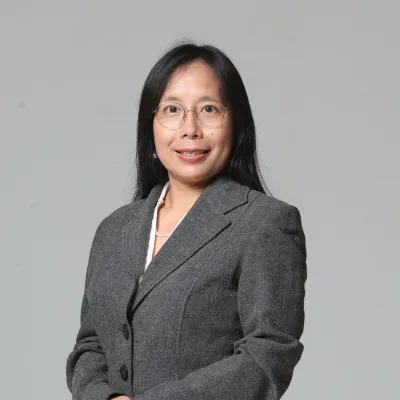
Professor in Geriatric Medicine, Faculty of Medicine, University of Malaya, Malaya
Professor Maw Pin Tan graduated from the University of Nottingham in the UK, where she also received her basic specialist training, before moving up north to Newcastle upon Tyne for her higher specialist training in Geriatric Medicine where she also completed a doctoral thesis on brain blood flow regulation and falls at Newcastle University. She currently heads the Division of Geriatric Medicine at Universiti Malaya and was the Principal Investigator of the AGELESS research programme. Her successes in leading the programme includes Artificial Intelligence Detection Models and a Multimodal Lifestyle Intervention Dementia Prevention as part of the World-wide FINGER network, and data inclusion within the Davos Alzheimer's Collaborative. Prof Tan has published over 300 peer-reviewed articles in Web of Science listed journals. Her advocacy work includes contribution to the eventual completion of the National Dementia Action Plan and the founding president of DAMAI (Dementia Association of MalAysIa).
President, Asociacion de Apoyo a los Familiares de Pacientes con Alzheimer y Otras Enfermedades Demenciales (AFAPADEA), Panama
Ingrid Wellington's a lawyer from Panama, a mom of two, and a huge supporter of people with dementia. She's been the President of Asociacion de Apoyo a los Familiares de Pacientes con Alzheimer y Otras Enfermedades Demenciales (AFAPADEA), an association that helps families dealing with Alzheimer's and other dementias, since 2018. She really thinks that understanding dementia should be like getting a custom-made outfit, it needs to be just right for each person.
Ingrid learned about the Dementia Friends program through ADI's Membership Development Program. She brought it to Panama. She's heading up some cool public campaigns that mix her legal knowledge, advocacy work, and caring nature.
Ingrid loves learning from people with dementia from all over. She calls many of them her friends. She recently went to the International Dementia Conference put on by Dementia India Alliance (DAI) in Bangalore. It gave her a bigger view of things, and she came away with some lasting lessons and new friends. She's leading a movement that shows that even small countries can get people talking about Alzheimer's around the world.
Board Member and Dementia Advocate, ADI
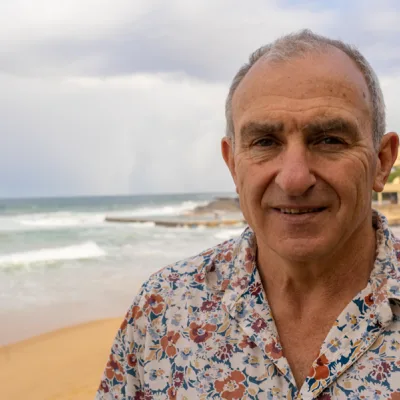
After graduating from Pharmacy, Bill entered the field of education where he was a school administer and has taught senior Physics and Chemistry for over 35 years.
In August 2019, at the age of 59, he was diagnosed with Younger Onset Alzheimer's Disease. Bill has a keen interest in learning how to best manage his diagnosis on a daily basis and has created his own website where he enjoys helping and showing others who are also living with dementia, how it is possible to still lead a better life. Besides being a volunteer surf lifesaver, Bill competes in masters Swimming, Finswimming, Pool Rescue and Surf Lifesaving Championships, at a local, state, national and international level. This year, Bill travelled to Fiji and participated in his first ever ocean swim.
Currently, Bill is a member of Dementia Australia's Advocate Program and has been Vice Chair of Dementia Alliance International for the past two years. He is also a member of the World Health Organisation GDO KE Focus Group, member of the Global Review Panel for ADI Accreditation of dementia care and a member of the Public Involvement Panel for StepUp. Recently, Bill accepted the position of Living Experience Consultant with Dementia Support Australia.
In the last few years, Bill has started to share his experiences at national and international conferences as a way of raising awareness about dementia, focussing mainly on post diagnostic care and support via his holistic approach to life and the development of reablement plans. His goal here is show by example, that is still possible to live a rewarding and fulfilling life.
Professor of Geriatrics Head of the Alzheimer's disease Clinical & Research Center
Maria Soto , MD, PhD , Geriatrician since 2005 and since 2016, Professor in Geriatrics at the Medical School at the University Paul Sabatier, in Toulouse France. For the past 20 years, I have worked in the Alzheimer’s Acute ward and memory consultation in the Toulouse University Hospital, with a major focus on neuropsychiatric symptoms (NPS) related to dementia in both clinical and research settings. Since 2020 I am head of the Alzheimer Research & Clinical Center of Toulouse (CMRR (Centres Mémoire de Ressources et de Recherche - Memory Resource and Research Center) being successor of Pr Bruno Vellas, my mentor. Between 2021 and 2024 I was president of the French Memory Centers Federation since. The FCM federates 30 CMRR (memory expert centers) and around three hundred memory consultations of the national network of memory centers. The FCM’s aim is at bringing together all French health professionals involved in the diagnosis and treatment of AD and related disorders. Among its various missions, the FCM is a learned society that issues recommendations on the care of patients suffering from AD and related disorders. I piloted the national neuropsychiatric symptoms (NPS) guidelines (“management of NPS in AD and related disorders”) and I launched both national guidelines as well: “early diagnosis in AD” and “ Immunotherapies in France”.
I am a member of the Research Aging Team, CERPOP (UMR 1295), MAintain Functions and INTrinsec capacities with Aging: Preventive and Personalized INterventional Research) I count for more than 100 publications in PUBMED. I have received grants from the French Ministry of Health and the European Commission. I have participated as PI or co-PI in different pharmacological trials, and I collaborate with pharmaceutical companies to foster therapeutic progress family or NPS in AD.
Since September 2023, I Pilot to elaborate and conduct the new Alzheimer and neurodegenerative diseases national governmental strategy 2025-2030. Missioned by French Health, Solidarity and Research ministries.
Since January 2024: Member of the Management Board of the IHU – (Institute Hospital University) HealthAge. The aim of the IHU HealthAge is to study the biology of aging based on geroscience. One of my recent interests in research is to study the biology of aging diseases, such as AD, specially in very early stages such as the study of the Mild Behavioral Impairment in the INSPIRE cohort.
Since July 2025 I have been missioned by the Autonomy ministry to pilot the “National Conference of Autonomy”.
This ICOPE care cohort, is a source of seniors with normal cognition, subjective cognitive complaint or mild cognitive impairment (MCI) population, “perfect population” to study the potential to prevent or delay cognitive impairment and dementia incidence in relation to domains of the intrinsic capacity such as cognition and psychology.
Executive Director of the Directorate of Mental Health, Ministry of Health, Peru
Dr. July Esther Caballero Peralta is a psychiatrist with extensive experience in clinical care, teaching, research, and health system management. She currently works as the Executive Director of the Mental Health Directorate of Peru’s Ministry of Health (MINSA) and has a long-standing role at the National Institute of Mental Health Honorio Delgado – Hideyo Noguchi. Dr. Caballero has contributed to the development of national mental health policies, including the Peruvian National Dementia Plan 2026-2028, collaborating with international organizations such as PAHO. She holds a medical degree and specializations in psychiatry and child and adolescent psychiatry from the Universidad Peruana Cayetano Heredia, as well as a Master’s degree in Health Care Delivery Science from Dartmouth College and a certificate in Mental Health Care Leadership from the Harvard T.H. Chan School of Public Health.
Counselor for Dementia Policy Planning, Division of Dementia Policy and Community-Based Long- Term Care Promotion, Health and Welfare Bureau for the Elderly, Ministry of Health, Labour and Welfare, Japan
Shin Nomura joined Japan’s Ministry of Health, Labour and Welfare (MHLW) in April 2003. He served in the Health and Welfare Bureau for the Elderly as the official responsible for the practical work of setting reimbursement rates for long-term care services. Subsequently, he engaged in policy discussions on the Community-based Integrated Care System, which later became a core concept of Japan’s long-term care insurance system.
In 2010, Mr Nomura was seconded to Kashiwa City Government to move the Community-based Integrated Care System beyond a conceptual framework and promote its implementation at the community level. After returning to the Health Service Bureau at MHLW in 2012, he helped present a future vision for healthcare toward 2035, and the concept of a Regional Symbiotic Society as a model for local communities under population decline.
In 2017, Mr Nomura was seconded to Okayama City Government to facilitate the implementation of these policies. He returned to Medical Affairs Bureau at MHLW in 2019, where his work focused on medical data integration, regenerative medicine, and responses to the COVID‑19 pandemic.
In July 2022, he was seconded to Toyonaka City and appointed Vice Mayor of Toyonaka. In July 2025, he assumed the position of Counselor for Dementia Policy Planning in the Health and Welfare Bureau for the Elderly at MHLW.
Head of the Social and Medico-Social Policy Department, Deputy to the Director – Directorate-General for Social Cohesion
Mr Voisin graduated from ENA in 2007. He was the Head of the Financial Synthesis Office at the DSS (Social Security Directorate), then Head of the Integration Department at the Seine- Saint-Denis Departmental Council. Benjamin Voisin was financial advisor in Marisol Touraine’s office from 2012 to 2013, then Director of the MDPH (Departmental House for Disabled Persons) in Paris until 2016. From 2016 to 2018, he was Deputy Director of Access to Healthcare, Family Benefits, and Occupational Accidents and Diseases at the DSS, before becoming Deputy Director General in charge of the Solidarity Department at the Seine-Saint-Denis Departmental Council, which oversees the Department’s policies on children/families, autonomy, social action, and integration.
Professor of Clinical and Biomedical Sciences, University of Exeter, UK
Clive is a British, world-leading expert in dementia. He is currently professor of age-related diseases at the University of Exeter and interim deputy pro-vice-chancellor and dean of the University of Exeter Medical School.
Clive specialises in treatment of dementia with Lewy Bodies and Parkinson’s disease, the harms of antipsychotic medications in people with dementia, the benefits of non-pharmacological treatments for the management of agitation in people with dementia and the prevention of dementia, including the development of the PROTECT programme of online interventions as a tool for maintaining cognitive health in later life. He has published more than 600 scientific papers and has an H index over 115, with more than 55,000 citations for his work.
Professor of Medicine and Epidemiology, Columbia University Medical Center, USA
Jose Alejandro Luchsinger received his MD degree from the Universidad Central de Venezuela in Caracas. He completed an internal medicine residency program including one year as chief medical resident at St. Luke’s Hospital in New York City. He also completed a General Medicine Fellowship at Columbia University Irving Medical Center (CUIMC) and obtained an MPH in epidemiology from the Mailman School of Public Health at CUIMC. He has been a faculty member since 1999.
Dr Luchsinger accomplishments include contributing to the early knowledge base relating diabetes, insulin resistance, and vascular risk factors with Alzheimer’s disease, being part of the team that first reported an association between the Mediterranean diet and a lower risk of cognitive disorders, conducting a research program examining the effects of metformin on cognitive impairment, and conducting a research program in research on dementia caregiving including the first trial ever comparing two caregiver interventions.
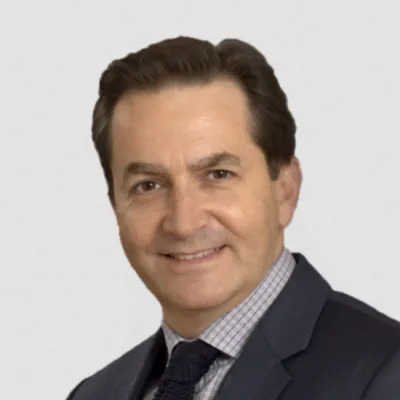
Professor of Social Sciences, Ritsumeikan University, Japan
Mao Saito is a Professor in the Department of Social Sciences at Ritsumeikan University, where she teaches family sociology and qualitative research methods. Her research focuses on carer support policies and social practices in East Asia, particularly the intersections of gender and generation, with a focus on male carers and young carers. She is one of the organisers of the National Network of Male Carers and Supporters. Her major publications include The Sociology of Child and Youth Carers: Creating a Caring Society (2026, in Japanese) and “Male Carers and Gender- Specific Support in Japan,” in Caring for the Elderly and Dependent People: A Political and Social Issue, edited by Dolors Comas d’Argemir and Sílvia Bofill (2021).
MD, MS, PhDProfessor at Universidad de Ciencias Médicas de la Habana
Juan J. Llibre Rodriguez is Consultant Professor of Internal Medicine and Geriatric Medicine at the Medical University of Havana. He obtained a PhD in Epidemiology at the Institute of Psychiatry, Psychology and Neuroscience, King College and the title of Doctor in Sciences (DSc). Over the past decades, Dr Llibre´s research focused on the epidemiology risk factors and prevention on dementia (in particular Alzheimer’s disease), frailty, and other NCDs in older Cubans.